 aspectswebdesign.com
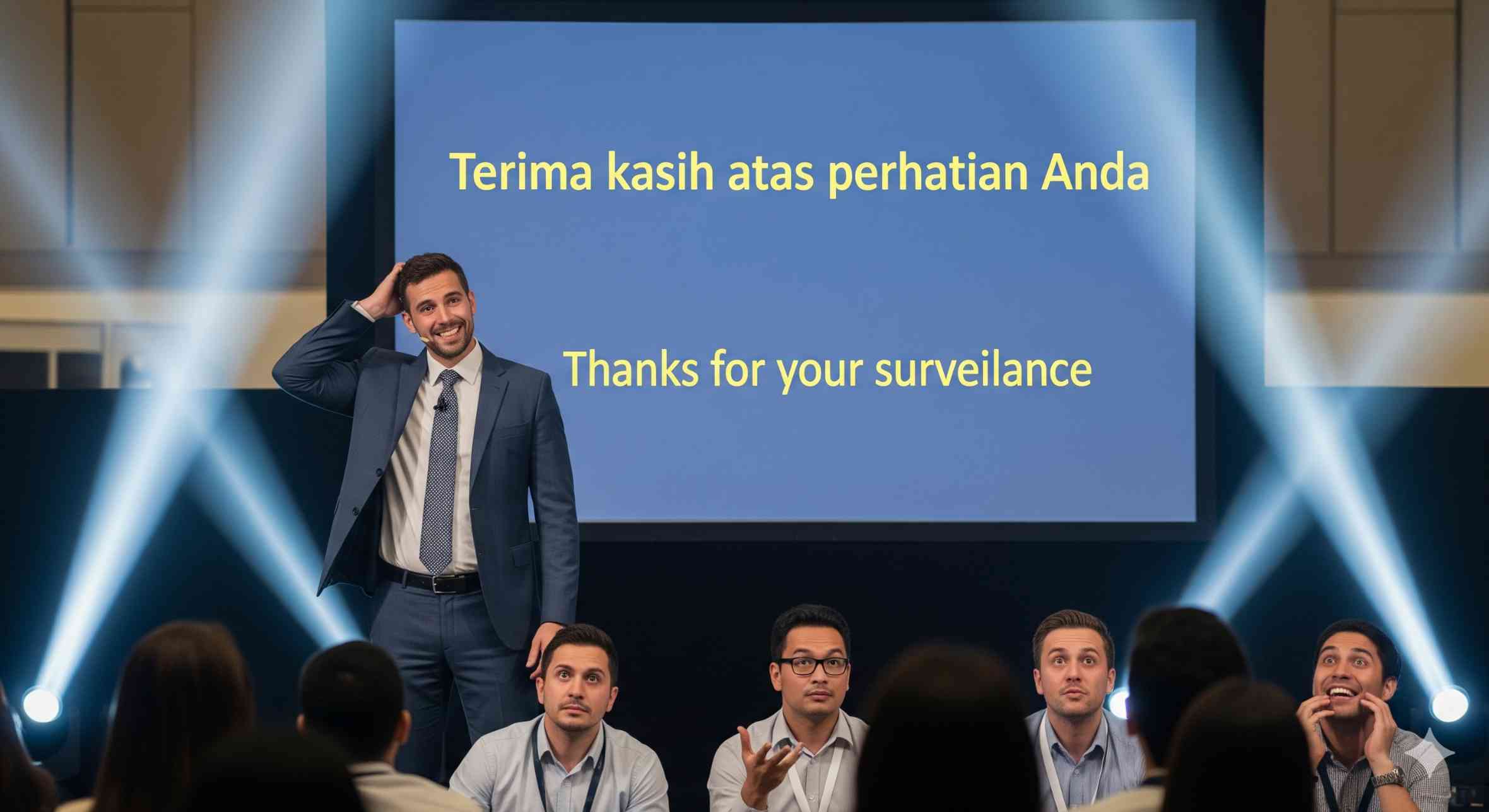
I’ll confess: the first time I used terjemahan on Google Translate, I thought I had outsmarted the language barrier. I was preparing slides for a workshop in Jakarta, and with one click, my English bullet points became Indonesian. Victory, right? Not exactly. A local colleague politely pointed out that my closing line—meant to say “Thank you for your attention”—had been translated to something closer to “Thanks for your surveillance.” Awkward.
That moment taught me something big. Translation (terjemahan) isn’t just about swapping words; it’s about carrying meaning, tone, and context across cultures. And now, with AI stepping into the game, terjemahan is evolving from a simple dictionary lookup to a full-blown conversation partner.
What Does Terjemahan Really Mean in the Age of AI?
Traditionally, terjemahan meant human translators sitting with dictionaries, line by line, carefully shaping meaning. It was slow but precise. Today, thanks to neural networks and large language models, AI can churn out translations instantly, often in near-human quality.
But “near-human” doesn’t mean perfect. Machines are fast, but they don’t feel nuance. A phrase like “kick the bucket” might be faithfully terjemahan into another language, but without cultural awareness, it reads literally—and morbidly. That’s where AI is both thrilling and risky: it gets you 90% there, but that last 10% requires human finesse.
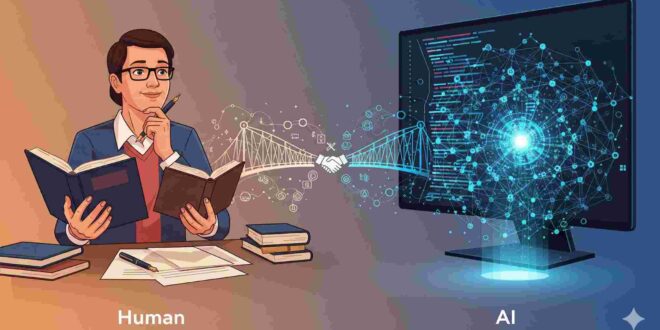
So, terjemahan in the AI era is about collaboration. AI handles speed and breadth; humans add sensitivity and context. Together, they make communication more global than ever before.
Why Should You Care About Terjemahan If You’re Not a Linguist?
You might think translation is a niche issue. But if you work in business, tech, education, or even entertainment, terjemahan is quietly shaping your world.
Think about customer support tickets. AI-powered terjemahan lets a U.S.-based team assist a customer in Brazil in real time, without anyone fumbling over dictionaries. In classrooms, teachers can connect with parents who speak different languages, building trust instantly. Even creative fields—like gaming—use terjemahan to adapt storylines for global audiences without losing their emotional punch.
The reason you should care? Because terjemahan isn’t just for “other people.” It’s the difference between staying local and going global.
How Is AI Making Terjemahan Smarter Than Ever?
AI has moved translation far beyond the clunky, robotic sentences of a decade ago. Tools like DeepL, Google Translate, and ChatGPT-based systems rely on neural machine translation (NMT). These models don’t just map words—they analyze patterns across billions of sentences, learning how humans express meaning.
The result? AI can now grasp idioms, adjust tone, and even sense formality levels. For example, it can tell when “you” in English should be translated into a casual or respectful version in another language.
Of course, it’s not flawless. AI occasionally makes “hallucinations”—confident but wrong translations. That’s why professionals still keep humans in the loop. But compared to the rigid rule-based systems of the past, today’s AI-driven terjemahan feels like a quantum leap.
How Can You Use Terjemahan Effectively With AI Tools?

Here’s the practical part. If you want to make the most of AI-driven terjemahan without embarrassing mistakes, here’s how I recommend approaching it:
Step 1: Use AI for the heavy lifting. Let it handle the initial translation of long documents, chats, or websites.
Step 2: Check context. Read the translation like your audience would. Does it sound natural? Does it preserve the intent?
Step 3: Add human review when stakes are high. For contracts, marketing campaigns, or academic work, always have a bilingual person double-check.
Step 4: Train AI with feedback. Many platforms let you “suggest edits.” Do it—because each correction helps fine-tune future results.
When used thoughtfully, AI-powered terjemahan is less about replacing humans and more about amplifying what humans can do.
FAQs About Terjemahan
1. Is AI terjemahan reliable for business use?
Mostly, yes. It’s fast, accurate for general purposes, and cost-effective. But for high-stakes content—legal, medical, or brand messaging—you’ll want a human translator in the mix to prevent costly errors.
2. How does AI handle slang or idioms in terjemahan?
Better than it used to, thanks to neural models, but not always perfectly. Slang often depends on culture, context, and tone. Machines can guess, but they don’t always land the nuance.
3. Can I train AI to improve my company’s terjemahan?
Yes. Some platforms let you upload glossaries or style guides so translations fit your brand voice. It’s like teaching the AI your preferred “accent.”
4. Will AI ever replace human translators?
Probably not entirely. AI is a powerhouse for speed and scale, but humans bring cultural awareness, creativity, and emotional nuance that machines can’t fully replicate. Think partnership, not replacement.
From Word Swaps to World Connections
Here’s the sassy truth: if you’re still treating terjemahan like a quick copy-paste trick, you’re stuck in the past. AI has turned translation into a dynamic, collaborative process—one that can help your message land across borders without losing its spark.
I’ve learned the hard way that leaving translation unchecked can lead to cringe-worthy results. But I’ve also seen how AI-assisted terjemahan unlocks opportunities: new markets, stronger teams, and audiences who feel included instead of overlooked.
So next time you click “translate,” don’t just settle for the machine’s first draft. Treat it as the start of a global conversation. Because in the end, it’s not about words—it’s about connection. And that’s something no algorithm can fully automate.